

The Ultimate Kitten Lover's Guide to Introducing Your New Kitten to Other Pets
- Peter

- May 9, 2023
- 4 min read
Congratulations on your new kitten! You have made a great choice adopting from Love Paws Cattery and will enjoy many years of companionship with your new friend.

In order to make sure that your kitten has a healthy, happy life in its new home, it's important to provide her with love, attention and thoughtful kitten care. Your cat will learn from you how to be socialized with other animals and people, so it's important that you give them plenty of opportunities for interaction throughout the day. Here at Love Paws, we take time so socialize our kittens to be comfortable around other pets, people and household sounds. Sometimes, however, pet behavior can be unpredictable in new spaces. Below we have shared some ideas and techniques on how to make that smooth transition from our family to your family.
It's important to keep a close eye on your new pet during the acclimation period. Kittens are naturally curious and may get into things they shouldn't or explore areas that are off-limits. Keep an eye on their behavior and make sure they are eating, drinking, and using the litter box regularly. If you notice any unusual behavior or symptoms of illness, such as lethargy, loss of appetite, or diarrhea, reach out to your veterinary care professional to nip it in the bud, as they say.
Kitten health in place, introducing your new bundle of joy to other pets can be a bit of a challenge, but with some patience and careful planning, you can help ensure that everyone gets along well for many years to come.
Here are 5 simple steps you can follow to integrate your new kitten:
Keep the kitten in a separate room: It's important to give your new kitten some space to adjust to the new environment. Keep them in a separate room with their own food, water, litter box, and toys. This will also help prevent any aggression from other pets who may be curious or territorial.
Let them get used to each other's scent: Before introducing your kitten to other pets, allow them to get used to each other's scent. This encourages comfortable and positive socialization. You can do this by swapping their bedding or toys so that they can sniff each other's scent. You can try having your pets meet each other behind a closed door - they can get used to each other without physical confrontation.
Supervised meetings: Once your new kitten has settled in, you can start introducing them to your other pets. However, it's important to supervise these meetings and keep them brief. Allow them to sniff each other while keeping a close eye on their body language. Pet personalities can differ, try to observe and understand the baseline behaviour for your kitten, so you can notice if something is not quite right. For example, usually she is quite playful, but now she is hiding away all afternoon. Or, usually he is relaxed and cuddly, now he is jumpy and nervous. This could be a sign that the process will take a little bit longer.
Gradual exposure: Gradually expose your kitten to the other pets by allowing them to spend more time together each day. You can do this by letting them interact for short periods of time while you are present and gradually increasing the time as they become more comfortable. Avoid leaving your coexisting pets unsupervised for extended periods of time, early on. Your oversight is essential to support your new kitten's sense of safety. She is looking to you to protect her if she is experiencing aggressive behaviour.
Positive reinforcement: Reward good behavior with treats and praise. If they start to show aggression or fear, it's important to separate them and try again later.
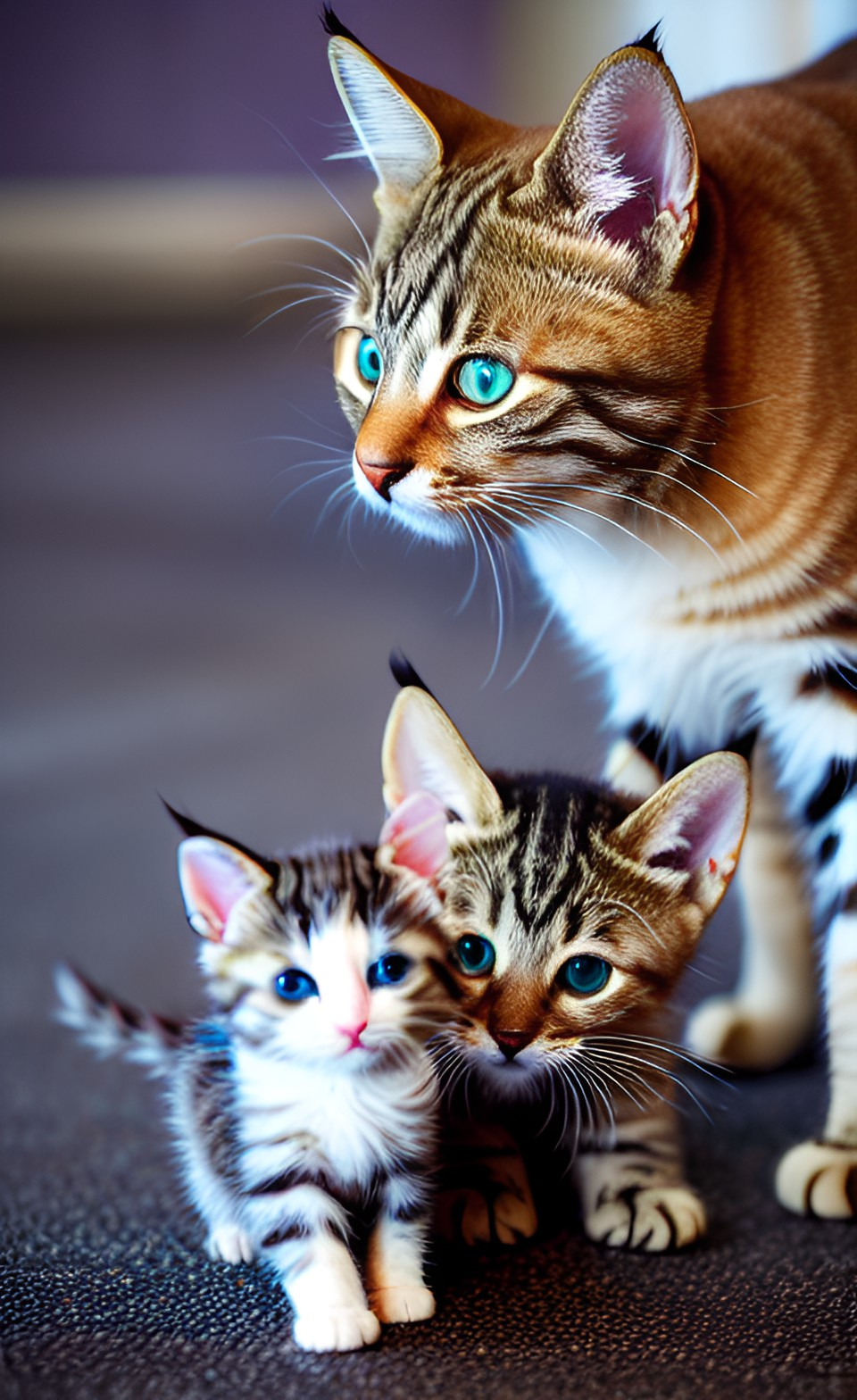
Remember, it's important to be patient and take things slowly. Each pet has their own personality and it may take a little time for them to socialize. With patience and consistency, your pets can learn to coexist and will likely become good friends. The patience you show during this time will pay off in a lifetime of happy shared memories.
We once worked with a family who had two cats, a brother and sister duo, who had been living together for a few years. They decided to adopt a new kitten and were worried about how their current cats would react to the new addition.
At first, the older cats were curious about the new kitten and would watch her from a distance. However, as soon as the kitten would try to approach them, they would hiss and run away. The kitten, feeling rejected, began to act out by meowing excessively. We had advised the family to get the new kitten a scratching post to relieve her anxiety and mark her scent. Just as your cat uses facial or body rubbing to leave messages, your cat may use its claws. This is a totally normal and natural behavior. When a cat scratches, they deposit pheromones onto the object they’re scratching. These pheromones come from tiny glands on all four of your cat’s feet, called interdigital glands, that give off a strong scent when the paw is stretched and the claws are extended. All cats want to feel secure in their homes, and marking their territory helps them feel reassured that the area is safe.
To help the cats adjust, we recommended a slow introduction process. The kitten was given her own room with all her necessities, while the older cats were allowed to roam the rest of the house. Over time, the family would exchange scents by rubbing towels on each cat and placing them in the other's space. We also recommended that they feed the cats on opposite sides of a door to help them associate positive experiences with each other's presence.
After a week of this gradual introduction, the family allowed the pets to spend time together under their watchful eye. The kitten was given a safe space to retreat to if she felt overwhelmed, and treats were given to all the cats to reinforce positive experiences. The family was relieved and happy to see their cats living peacefully together, and the kitten's behavior issues subsided as a result of feeling more secure and accepted in her new home.

By following these simple steps and being patient and consistent, you can help your new kitten and other pets adjust to each other and live in harmony. Remember, introducing a new pet takes time and effort, but it's worth it to ensure that everyone feels safe and comfortable in their new home.
For more tips on pet behavior, training, and care, be sure to check out our other articles.
Mauricio


Comments